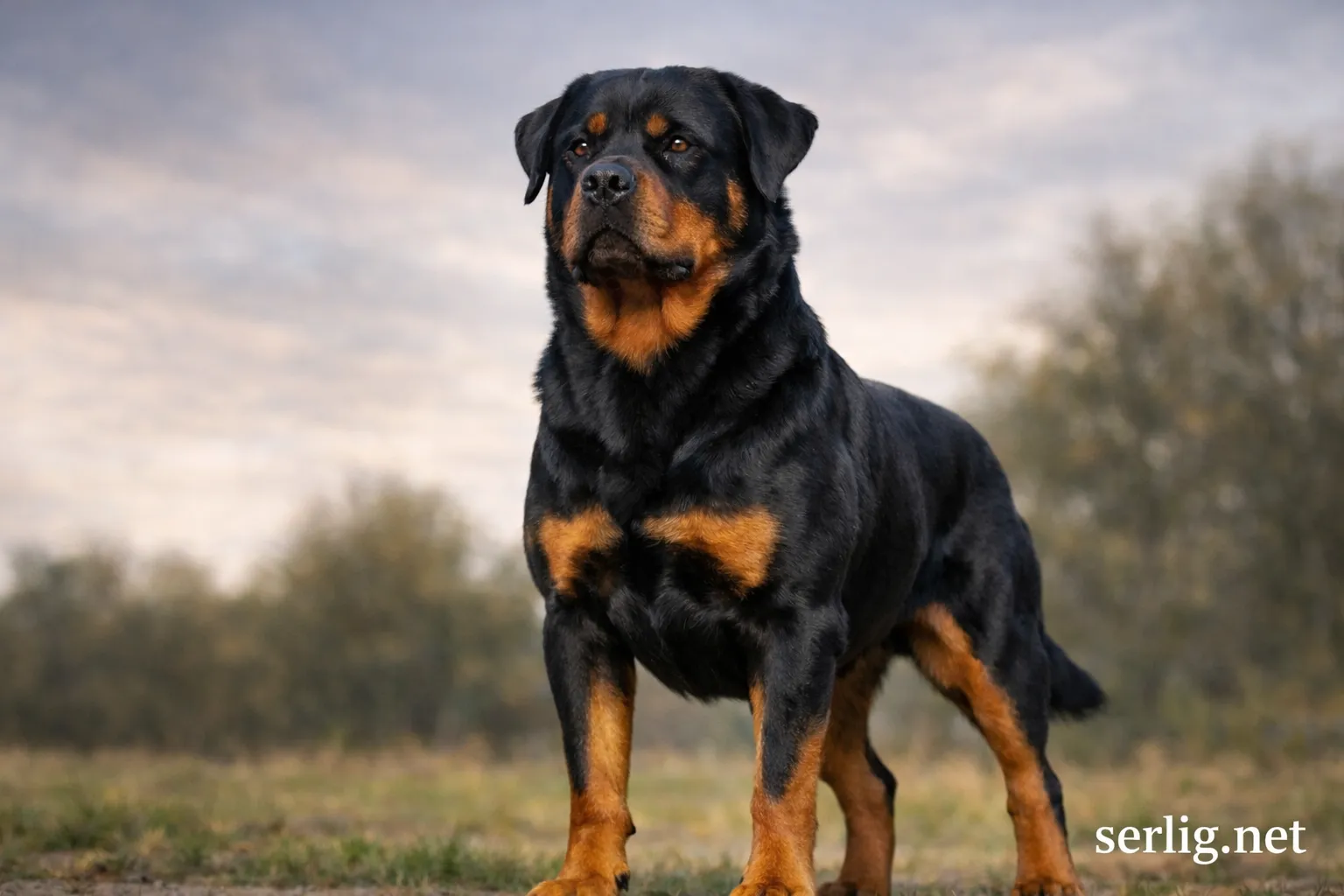
Rodwajlery is a commonly used name people use when referring to the Rottweiler dog breed. It points to the same powerful, confident, and loyal dog known worldwide for its guarding ability and strong bond with its owner. When people talk about Rodwajlery, they are almost always talking about a Rottweiler and its unique personality, strength, and temperament.
The name Rodwajlery has become popular because many people remember the sound of the breed’s name rather than its exact spelling. Over time, this version has become widely used in discussions, searches, and everyday conversations. Despite the different wording, the dog itself remains the same: a muscular, intelligent working breed with a calm but protective nature.
Why People Use the Name Rodwajlery
Most people who use the word Rodwajlery are not trying to describe a different dog. They are simply referring to a Rottweiler in a more familiar or phonetic way. This is especially common among new dog owners or people researching the breed for the first time.
Rodwajlery has become associated with qualities people admire in Rottweilers—strength, loyalty, courage, and reliability. When someone mentions Rodwajlery, they usually mean a dog that can protect its family while still being deeply affectionate and obedient at home.
This name is often used in discussions about guard dogs, family protection, and strong working breeds. It reflects how people see the Rottweiler: confident, alert, and dependable.
Is Rodwajlery a Different Dog from a Rottweiler?
No. Rodwajlery is not a separate breed. It is simply another way people refer to the Rottweiler. All breed standards, characteristics, and behaviors remain exactly the same.
A Rodwajlery has the same black-and-tan coat, broad chest, strong jaw, and solid build that define the Rottweiler breed. Whether someone calls it Rodwajlery or Rottweiler, the dog’s nature, intelligence, and physical strength do not change.
This clarification is important because some people mistakenly believe Rodwajlery might be a mixed or special type of dog. In reality, it is the same well-established working breed recognized for generations.
What Makes Rodwajlery Dogs So Well Known
Rodwajlery dogs are best known for their balanced temperament. They are confident without being reckless and protective without being unstable. These dogs were originally bred to work closely with humans, which explains why they are so responsive to leadership and routine.
One of the most noticeable traits of a Rodwajlery is loyalty. These dogs form strong attachments to their owners and prefer to stay close to their family. They are alert by nature and often position themselves where they can observe what is happening around them.
Despite their serious appearance, Rodwajlery dogs are not constantly aggressive or tense. When raised properly, they are calm indoors, playful with familiar people, and disciplined in unfamiliar situations.
Common Misunderstandings About Rodwajlery Dogs
Rodwajlery dogs are often misunderstood because of their size and strength. Some people assume they are naturally dangerous or difficult to control. In reality, behavior depends far more on upbringing than on breed alone.
A well-trained Rodwajlery is stable, obedient, and predictable. Problems usually arise only when the dog is poorly socialized, neglected, or handled without consistency. With proper guidance, these dogs show remarkable self-control and awareness.
Another misconception is that Rodwajlery dogs are not suitable for family life. Many families successfully raise Rottweilers who are gentle with children, protective of their home, and affectionate with those they trust.
What Rodwajlery Represents as a Breed
Rodwajlery represents strength with responsibility. It is a dog that thrives under structure, leadership, and purpose. This breed does best with owners who understand the importance of training, routine, and respect.
For people willing to invest time and effort, a Rodwajlery becomes more than just a pet. It becomes a guardian, a companion, and a deeply loyal member of the household. This combination of power and devotion is what continues to make the Rodwajlery one of the most respected dog breeds in the world.
ALSO READ :: Rottweiler Dog Breed Guide: Traits, Care, Training, and Health
Brief History of the Rodwajlery (Rottweiler Breed)
Rodwajlery, or the Rottweiler, has a history that spans thousands of years, tracing back to Roman times when these dogs were first used to herd and guard livestock. Over centuries, they evolved into the powerful, loyal, and intelligent breed we know today. Understanding their history helps explain their instincts, temperament, and why they are so highly regarded by dog enthusiasts worldwide.
The roots of the Rodwajlery can be traced to Roman drover dogs, used to drive cattle through European villages during the Roman Empire. These dogs accompanied soldiers and farmers alike, guarding the animals and helping transport goods. Their combination of strength, endurance, and intelligence made them invaluable companions in both work and protection.
Development in Rottweil, Germany
The breed as we know it today began to take shape in the town of Rottweil, Germany, which is where the Rottweiler name originates. Here, these dogs were used to manage cattle and protect butchers’ money during transport. The locals valued dogs that were strong, alert, and obedient—traits that remain key in today’s Rodwajlery.
In Rottweil, the dogs were often called “Rottweil butchers’ dogs” because of their close association with the butchers’ trade. They worked long days moving herds, guarding property, and accompanying wagons to markets. The name Rodwajlery is simply a modern variation used in searches and everyday conversation, but it represents this same long-standing heritage.
Working Role and Versatility
Rodwajlery dogs were never just pets—they were workers. Their original responsibilities required both physical strength and mental alertness. They needed to make decisions while driving cattle, control large animals calmly, and respond to the commands of their human companions. These historical tasks laid the foundation for the breed’s intelligence, confidence, and protective instincts.
Even today, these working roots are visible. Rodwajlery dogs excel in guarding, police work, and service roles, and their ability to bond with humans stems directly from centuries of collaboration. Owners notice that these dogs are alert, aware of their surroundings, and naturally inclined to protect family and property.
Historical Traits That Define Modern Rodwajlery
- Strength and Build: Developed for endurance while moving herds, giving them the muscular frame we see today.
- Protective Instincts: Required to guard livestock and money, resulting in a breed highly loyal to its human family.
- Intelligence: Early working tasks demanded quick decision-making, which persists as sharp problem-solving skills in modern dogs.
- Calm but Confident Temperament: Dogs needed to remain composed around livestock and strangers while ready to act when needed.
Recognition and Standardization
By the late 19th and early 20th century, Rottweilers (Rodwajlery) became recognized as an official breed. Dog clubs in Germany began to standardize their characteristics, emphasizing temperament, build, and working ability. These standards carried over into kennel clubs worldwide, which still serve as benchmarks for breed quality today.
Rodwajlery dogs maintained their working and protective abilities while becoming popular as companions. Modern owners value both strength for protection and gentle loyalty at home—a perfect blend inherited from their long history.
Why Knowing the History Matters
Understanding Rodwajlery history gives insight into why these dogs behave the way they do. Their instincts for guarding, loyalty, and problem-solving are deeply rooted in centuries of work alongside humans. Owners who recognize this history are better prepared to meet the breed’s physical, mental, and emotional needs, ensuring a balanced, happy, and confident dog.
In short, the Rodwajlery is more than just a strong-looking dog. It is a breed with centuries of carefully honed skills, instincts, and personality traits. From Roman drover dogs to the trusted family companion of today, their history shapes everything about their behavior, intelligence, and loyalty.
Physical Characteristics of Rodwajlery Dogs
Rodwajlery dogs are known for their strong, muscular build and commanding presence. Their physical traits are a perfect combination of strength, agility, and endurance, making them ideal both as working dogs and family companions. Understanding their appearance helps explain why they are so confident and respected worldwide.
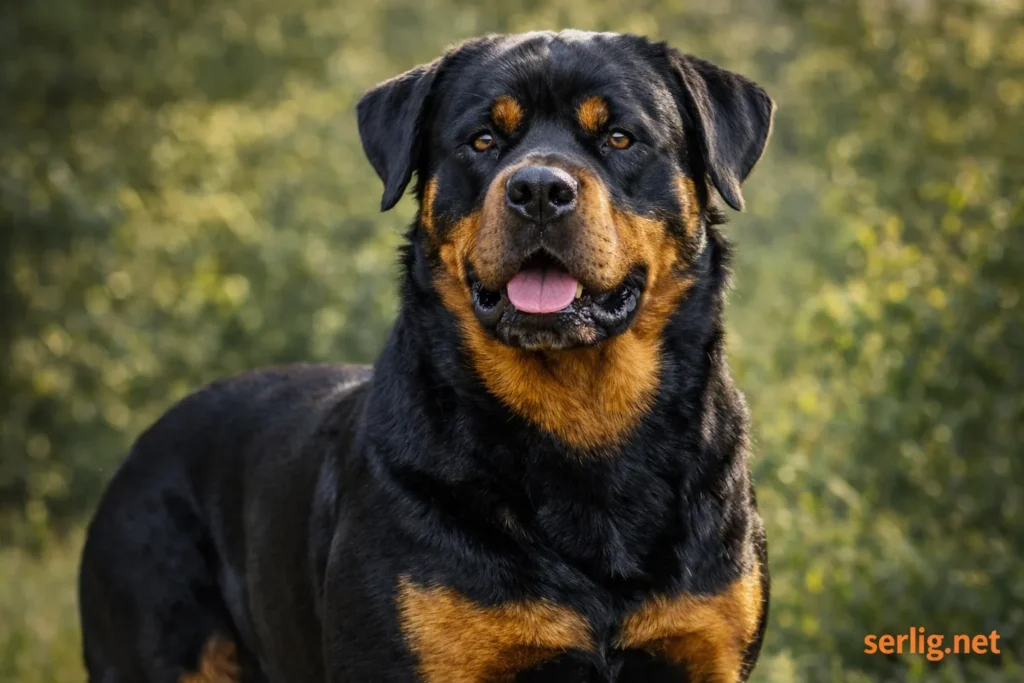
The Rodwajlery’s body is compact yet powerful. Males typically weigh between 95–135 pounds, while females range from 80–100 pounds. Their height can vary from 24 to 27 inches at the shoulder, giving them a sturdy, balanced frame. This structure allows them to perform physically demanding tasks like guarding, herding, and protecting property, while also being agile enough to interact safely with family members.
Head and Facial Features
Rodwajlery dogs have a broad, rounded head with a pronounced stop (the area between the eyes and muzzle). Their strong jaws and wide muzzle contribute to their ability to handle work and protection roles effectively. The eyes are almond-shaped and dark, expressing intelligence, alertness, and a calm confidence. Ears are medium-sized, triangular, and set high on the head, giving them excellent hearing and contributing to their alert appearance.
Their facial expressions are often misunderstood. While the Rodwajlery may appear serious or intense, this does not mean aggression. Instead, it reflects focus and awareness—a natural trait of a dog bred for working alongside humans in critical tasks.
Coat, Color, and Grooming Needs
Rodwajlery dogs have a short, dense double coat designed to protect them from harsh weather conditions while still being low-maintenance. The most common coloration is black with clearly defined rust or mahogany markings on the cheeks, chest, legs, and eyebrows. This striking coloration contributes to their bold and confident appearance.
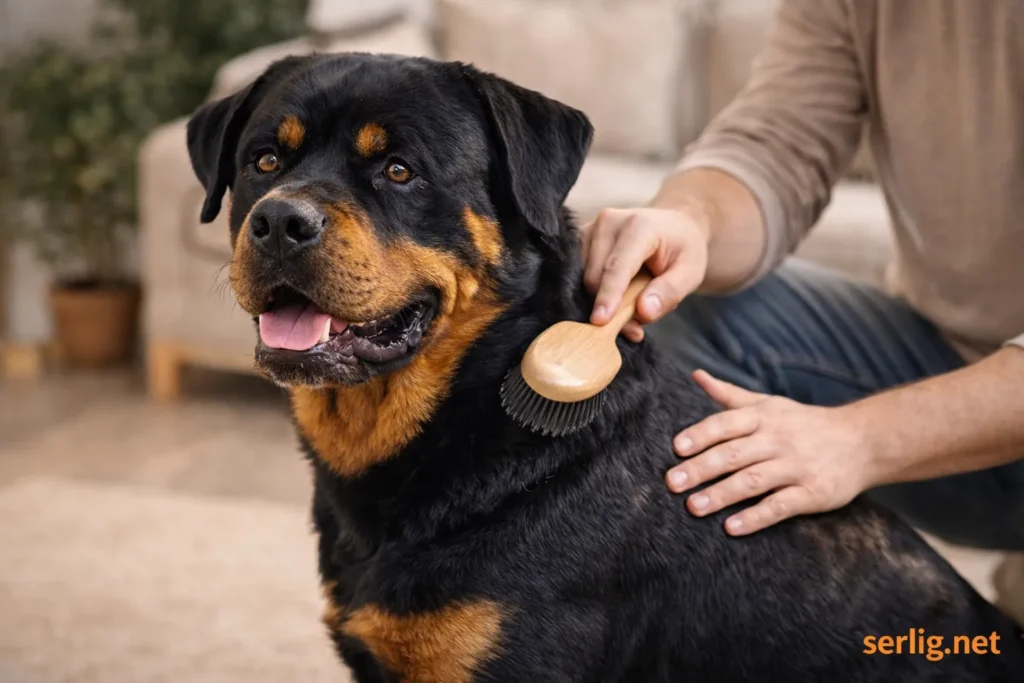
Their coat requires regular brushing to manage shedding, especially during seasonal changes. While grooming is relatively simple, attention to nails, ears, and teeth is essential to keep a Rodwajlery healthy and comfortable. Their coat is not only for appearance—it plays a key role in protecting them during physical activities or outdoor work.
Body Structure and Build
- Muscular Neck and Chest: Supports their strength and balance for running, jumping, and guarding.
- Strong Back and Hindquarters: Ensures endurance and agility for long periods of work.
- Straight, Strong Legs: Perfect for stability and quick movements.
- Tail: Traditionally docked in some countries for working purposes, but natural tails are long and carried in a relaxed position in others.
This combination of features gives the Rodwajlery a powerful presence without compromising agility. Their build is not bulky without reason—it’s functional and purpose-driven, designed over centuries of selective breeding.
Differences Between Male and Female Rodwajlery Dogs
Males generally have a broader head and more muscular build than females. They often appear more imposing, making them effective guard dogs. Females, while slightly smaller, are equally strong and tend to be more agile and responsive to training. Both genders share the same intelligence, loyalty, and protective instincts.
Understanding these subtle differences is important for prospective owners who are considering a Rodwajlery for family life, protection, or companionship. Each dog has its unique personality, but physical traits give clues about their strengths and energy levels.
Why Physical Characteristics Matter for Owners
The Rodwajlery’s physical features are not just for show—they reflect their behavioral tendencies and capabilities. A strong, alert stance indicates a confident dog, while their muscular build shows that they are capable of performing physically demanding tasks. Owners who understand these traits can better provide the right exercise, training, and socialization, ensuring a healthy and balanced dog.
In short, Rodwajlery dogs combine strength, agility, and alertness in a way few breeds can match. Their physical traits are closely linked to their working history and protective instincts. Knowing their build, coat, and structure helps owners understand what to expect in daily care, training, and interaction
Rodwajlery Nature and Temperament Explained
Rodwajlery dogs are known for their loyal, confident, and protective nature. Their temperament reflects centuries of careful breeding for working alongside humans while maintaining a strong sense of family attachment. Understanding their personality is essential for anyone considering this breed as a pet, guard dog, or companion.
Rodwajlery dogs are naturally alert and aware of their surroundings. They are intelligent problem-solvers, capable of assessing situations before reacting. This makes them reliable in households, as they can differentiate between a casual visitor and a potential threat. Their protective instincts are balanced, meaning a well-raised Rodwajlery does not act aggressively without reason.
Loyalty and Family Bonds
One of the most notable traits of Rodwajlery dogs is their loyalty. Once a bond is formed, they are deeply attached to their owners and family members. They are known to protect children and family members, often placing themselves between their loved ones and perceived danger. Unlike some breeds that may act independently, Rodwajlery dogs thrive on structured relationships with their humans.
This loyalty also extends to daily life routines. A Rodwajlery appreciates consistency, such as set feeding times, regular walks, and predictable interactions. Dogs of this breed who receive proper guidance often display a calm, obedient demeanor that makes them both excellent companions and dependable guardians.
Confidence and Courage
Rodwajlery dogs are naturally confident. This confidence comes from both their intelligence and their physical capabilities. They are not easily intimidated, which makes them effective protectors and calm participants in new situations. Their courage allows them to handle unfamiliar people, other animals, and various environments without panic.
This temperament, however, requires proper handling. A confident dog without guidance may develop stubbornness or territorial behavior. Training and socialization from an early age help channel their courage and intelligence positively, resulting in a balanced, calm, and protective dog.
Alertness and Protective Instincts
Rodwajlery dogs are highly alert. They notice subtle changes in their environment, making them excellent watchdogs. This alertness does not translate into unnecessary aggression; rather, it allows them to assess situations accurately and respond appropriately. A Rodwajlery will often bark or position itself strategically to signal potential danger, giving owners time to respond.
Their protective instincts are deeply rooted in history. Originally bred to guard cattle, money, and property, these dogs inherited a strong sense of duty and responsibility. Modern Rodwajlery dogs continue to display these traits, making them reliable guardians without compromising their family-friendly nature.
Social Behavior and Adaptability
Rodwajlery dogs are generally friendly with those they know but may be reserved around strangers until properly introduced. Early socialization is crucial to ensure they remain calm and balanced around new people and animals. A socialized Rodwajlery can live happily in family environments, interact safely with children, and coexist peacefully with other pets.
This breed also adapts well to structured routines. They enjoy mental stimulation, training exercises, and physical activity, which keeps their minds sharp and their behavior well-managed. A bored Rodwajlery may become restless, highlighting the importance of consistent engagement.
Intelligence and Trainability
Rodwajlery dogs are exceptionally intelligent, which contributes to both their usefulness and their responsiveness to training. They learn quickly, follow instructions reliably, and excel in obedience or advanced tasks. This intelligence, combined with their natural protective instincts, allows them to serve as guard dogs, working dogs, or devoted family companions.
The breed thrives under positive reinforcement training methods. Harsh or inconsistent handling can create mistrust or defensive behavior. Owners who invest time in structured training will find a Rodwajlery to be obedient, adaptable, and emotionally connected.
In short, Rodwajlery dogs combine loyalty, intelligence, confidence, and protective instincts. They are affectionate with family, alert in their surroundings, and disciplined when properly guided. Their temperament makes them ideal for owners willing to provide leadership, consistency, and mental engagement, ensuring a balanced, loyal, and courageous companion.
Intelligence Level of Rodwajlery Dogs
Rodwajlery dogs are highly intelligent, making them quick learners and adaptable companions. Their mental sharpness is one of the breed’s defining traits, contributing to their success as working dogs, family guardians, and loyal companions. Understanding their intelligence helps owners provide proper training, mental stimulation, and leadership.
Rodwajlery dogs have a natural ability to analyze situations and make decisions independently, which was essential during their early history as herding and guard dogs. This intelligence is not just about learning commands—it’s about understanding context, anticipating human needs, and responding appropriately. Owners often notice that these dogs remember routines, identify patterns, and even anticipate tasks before being asked.
Problem-Solving Abilities
One of the most impressive aspects of a Rodwajlery’s intelligence is its problem-solving ability. Whether navigating obstacles, figuring out how to reach a toy, or understanding the best way to alert their owner of an intruder, these dogs show remarkable reasoning skills. Their ability to think critically makes them highly reliable in both household and working environments.
For example, a Rodwajlery can learn to open simple gates, understand when a visitor is trusted versus unknown, and even adapt its behavior to suit the mood or instructions of its owner. This level of mental processing requires not only natural intelligence but also consistent guidance and socialization.
Comparison with Other Intelligent Breeds
Rodwajlery intelligence is often compared to other highly intelligent breeds such as German Shepherds, Border Collies, and Dobermans. While Border Collies may excel in specialized tasks like herding, Rodwajlery dogs combine problem-solving ability with physical strength and protective instincts. This makes them uniquely versatile—they are smart enough to follow complex commands while using their judgment in real-life situations.
Their intelligence also contributes to emotional awareness. Rodwajlery dogs often sense the feelings of their owners, responding to stress, happiness, or danger with appropriate behavior. This combination of cognitive skill and emotional perception makes them highly attuned companions.
Early Learning and Puppy Training
A Rodwajlery puppy displays intelligence from an early age. Puppies quickly learn basic commands like sit, stay, and come, but they also observe routines, interactions, and household dynamics. This early learning period is critical for shaping a balanced adult dog.
Owners who engage their puppies with puzzles, obedience games, and socialization exercises help nurture both their problem-solving skills and emotional intelligence. This prevents behavioral issues like boredom, stubbornness, or over-guarding tendencies.
Intelligence in Adult Rodwajlery Dogs
Adult Rodwajlery dogs continue to demonstrate intelligence in daily life. They can follow complex commands, adapt to changing situations, and respond appropriately to unfamiliar people or environments. This intelligence allows them to function effectively as guard dogs, therapy dogs, and family companions, combining mental agility with natural protective instincts.
Their intelligence also means that Rodwajlery dogs require consistent mental stimulation. Without it, even the most loyal and well-behaved dogs can become bored or frustrated, leading to undesirable behaviors like excessive barking or restlessness.
Training Strategies for Intelligent Dogs
To fully harness a Rodwajlery’s intelligence:
- Use positive reinforcement methods for learning new skills.
- Provide mental challenges such as puzzle toys, scent games, and obedience tasks.
- Keep training sessions short but frequent to maintain focus.
- Introduce real-life scenarios to test problem-solving and decision-making skills.
Intelligent dogs like the Rodwajlery thrive when training is meaningful, consistent, and engaging. This not only improves obedience but also strengthens the bond between dog and owner.
Why Intelligence Matters in Daily Life
The intelligence of a Rodwajlery is directly linked to its behavior, adaptability, and compatibility with families. A smart dog can adjust to routines, learn household rules, and understand social cues from humans and other pets. However, intelligence without proper guidance can also lead to independence or testing boundaries, so balanced leadership is essential.
In short, Rodwajlery dogs are highly intelligent, quick learners, and emotionally aware. Their mental capacity allows them to excel in work, training, and family life, making them one of the most versatile and rewarding breeds for experienced and responsible owners.
Rodwajlery as a Family Dog
Rodwajlery dogs make excellent family companions when properly trained and socialized. Their combination of loyalty, intelligence, and protective instincts allows them to bond deeply with household members while remaining alert to potential dangers. Understanding how this breed interacts with children, other pets, and family life is essential for anyone considering a Rodwajlery as a pet.
These dogs are naturally attentive and emotionally connected to their owners. A Rodwajlery thrives in environments where it is part of daily routines, whether that means playing with children, participating in family activities, or following structured training sessions. This breed is not independent or distant—they enjoy active involvement with their family and respond positively to engagement.
Behavior with Children
Rodwajlery dogs are generally gentle and protective with children. Their loyalty and calm demeanor make them reliable companions, but supervision is key, especially with younger kids. The dog’s size and strength mean that even playful interactions can be unintentionally rough, so teaching children how to approach and interact safely is important.
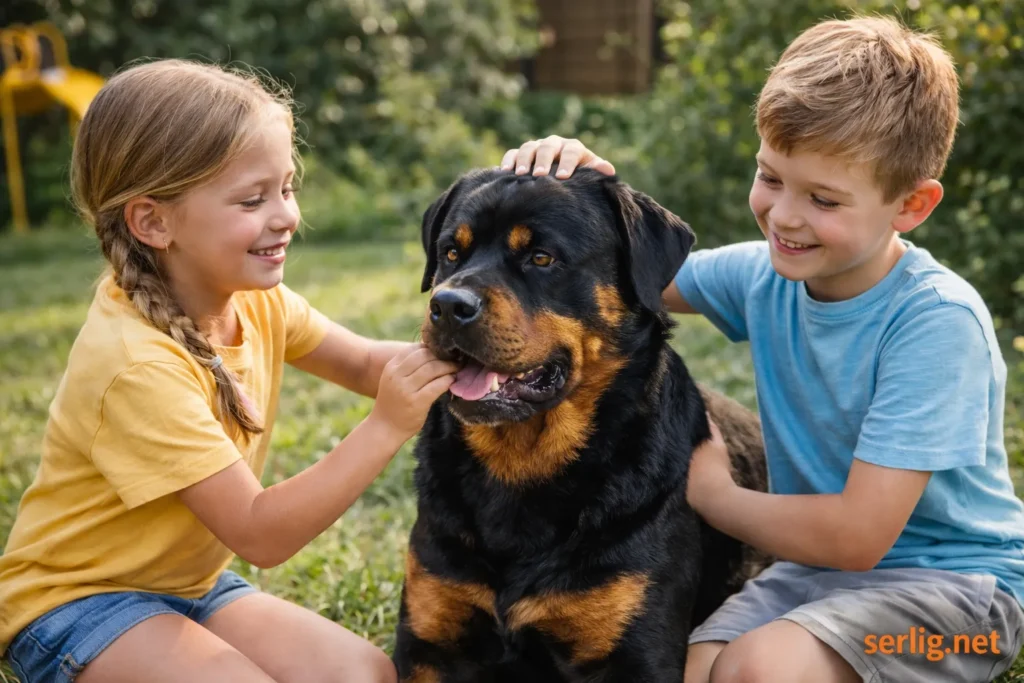
A well-socialized Rodwajlery can recognize the energy of a child and adjust its behavior accordingly. They often form particularly strong bonds with children they grow up with, offering both companionship and protection. Their natural awareness allows them to sense when a child is in distress and respond calmly, making them a comforting presence in the home.
Tips for Families with Kids
- Always supervise interactions between Rodwajlery and young children.
- Teach children how to approach and touch the dog gently.
- Encourage positive play using toys rather than physical roughhousing.
- Provide the dog with a quiet space to rest when needed.
Following these practices ensures that both the dog and children can enjoy a safe, loving relationship.
H3: Interaction with Other Pets
Rodwajlery dogs can coexist peacefully with other pets if introduced early and properly socialized. Their natural protective instincts mean that they may initially be cautious or alert around unfamiliar animals, but patience and structured introductions usually lead to harmony.
Dogs of this breed are intelligent and observant—they quickly learn household hierarchies and routines. This ability makes them adaptable in multi-pet homes, where consistent supervision and proper training help prevent dominance issues or unnecessary conflict.
Early Socialization
Socialization is key for Rodwajlery dogs to thrive in a family environment. Puppies exposed to different people, animals, and environments learn to handle new experiences confidently. Socialization helps prevent fear-based reactions, overprotectiveness, or excessive aggression, allowing the dog to be calm, friendly, and approachable.
Daily Life with a Rodwajlery
Rodwajlery dogs require physical activity and mental stimulation to remain balanced. Daily walks, playtime, and interactive training sessions keep them happy and well-behaved. Their intelligence and loyalty mean they enjoy tasks, challenges, and responsibilities, such as guarding the home or participating in obedience exercises.
These dogs also enjoy bonding activities with their family, such as hiking, running, or even casual games in the backyard. A Rodwajlery that is active and mentally engaged is less likely to develop undesirable behaviors, making them harmonious members of a household.
Routine and Structure
- Provide consistent feeding and exercise schedules.
- Incorporate daily training or mental games to challenge the dog.
- Allow supervised interactions with family members and pets.
- Maintain clear rules to reinforce the dog’s role in the household.
A structured routine helps Rodwajlery dogs understand expectations, reduces stress, and strengthens the bond with their family.
Why Rodwajlery Dogs Are Trusted Family Companions
Rodwajlery dogs combine strength, intelligence, and loyalty, making them one of the most versatile breeds for family life. They offer both companionship and protection, responding to the needs of their owners while remaining aware of their surroundings. When raised with love, guidance, and social exposure, a Rodwajlery becomes more than a pet—it becomes a trusted guardian and loyal friend.
In short, Rodwajlery dogs thrive in family environments where they receive proper training, socialization, and engagement. Their ability to bond with children, coexist with other pets, and contribute to daily routines makes them ideal for active, committed households seeking both companionship and protection.
Training Tips for Rodwajlery Dogs
Training a Rodwajlery is essential to ensure they are well-behaved, obedient, and balanced companions. These dogs are intelligent, strong, and independent-minded, which makes proper guidance from an early age crucial. With the right approach, a Rodwajlery can excel as a loyal family dog, a protective guardian, and a confident companion.
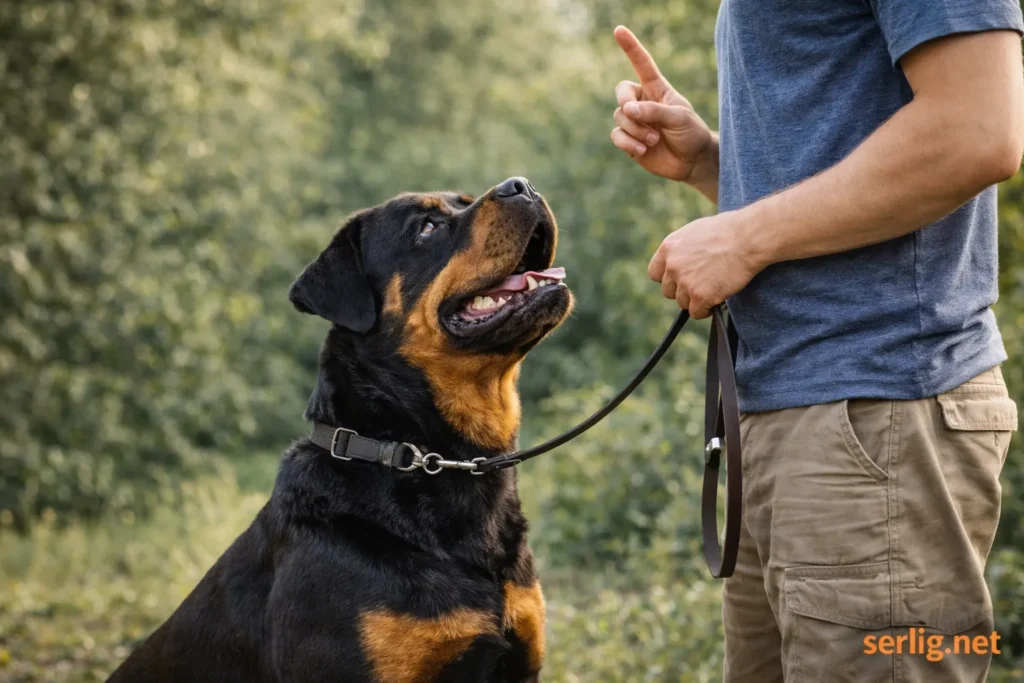
Rodwajlery dogs respond best to consistent, positive reinforcement. They thrive when they understand the rules and expectations clearly. Harsh training methods or inconsistent commands can confuse them and may lead to stubbornness or defensive behavior. Successful training combines patience, structure, and mental engagement.
Start Training Early
Early training is critical for Rodwajlery puppies. Socialization and obedience lessons should begin as soon as the puppy comes home. Early exposure to different environments, people, and animals helps prevent fear-based aggression or overprotectiveness later in life. Puppies learn quickly, and early training establishes a foundation for lifelong good behavior.
Tips for early training:
- Begin with basic commands like “sit,” “stay,” and “come.”
- Introduce socialization gradually, allowing the puppy to meet strangers and other pets in controlled settings.
- Use gentle rewards such as treats, praise, or play to reinforce positive behavior.
By starting young, Rodwajlery dogs develop confidence and a sense of security within their household.
Consistency and Leadership
Rodwajlery dogs are intelligent and capable of making their own decisions, which is why clear leadership is essential. Owners must be consistent with rules, expectations, and boundaries. Confusing signals can lead to disobedience or testing behavior. Consistent leadership ensures that the dog understands its role, responsibilities, and limits.
Key leadership tips:
- Maintain consistent commands and routines.
- Reward positive behavior immediately.
- Correct unwanted behavior calmly and consistently.
- Establish the owner as a confident, fair, and predictable guide.
A Rodwajlery that knows its place in the household hierarchy will behave responsibly and confidently, making training much easier in the long term.
Obedience Training
Obedience training is essential for Rodwajlery dogs due to their strength and energy. Teaching commands such as “heel,” “leave it,” and “down” helps manage their physical capabilities effectively. Regular practice also provides mental stimulation, preventing boredom and destructive behavior.
Group obedience classes can also be beneficial. They expose Rodwajlery dogs to new people, pets, and situations, reinforcing social skills and confidence in unfamiliar environments.
Socialization is Key
A well-socialized Rodwajlery is a balanced and confident adult dog. Socialization should include:
- Interactions with children, adults, and strangers.
- Exposure to other dogs and animals in controlled settings.
- Experiences in different environments, such as parks, streets, and busy areas.
Proper socialization reduces fear-based reactions and promotes friendly behavior while maintaining their natural protective instincts. Rodwajlery dogs that are not socialized may become overly cautious, territorial, or aggressive.
Mental Stimulation and Engagement
Rodwajlery dogs are highly intelligent and need mental challenges in addition to physical exercise. Activities like puzzle toys, obedience games, scent work, and learning new commands keep their minds active. Mental stimulation prevents boredom, which can lead to unwanted behaviors like chewing, digging, or excessive barking.
Positive Reinforcement Techniques
Positive reinforcement is the most effective training method for Rodwajlery dogs. These dogs respond well to rewards such as:
- Treats and small snacks.
- Praise and verbal encouragement.
- Interactive play or favorite toys.
Punishment-based methods can damage trust and harm the bond between dog and owner. Positive reinforcement fosters cooperation, loyalty, and enthusiasm in learning.
Real-Life Owner Guidance
Owners of Rodwajlery dogs should focus on:
- Setting realistic training goals based on the dog’s age and experience.
- Maintaining patience and calmness during challenging moments.
- Incorporating training into daily routines, such as walks or playtime.
- Reinforcing desired behaviors consistently across all family members.
By integrating training into everyday life, a Rodwajlery dog remains engaged, disciplined, and emotionally balanced, making it a reliable companion and guardian.
In short, Rodwajlery dogs excel with early, consistent, and positive training. Combining obedience, socialization, and mental stimulation creates a confident, loyal, and well-behaved dog. Owners who invest time and patience in training enjoy a lifelong relationship with a dog that is both protective and affectionate.
Health and Lifespan of Rodwajlery Dogs
Rodwajlery dogs are generally healthy and robust, but like all large breeds, they are prone to specific health issues. With proper care, regular check-ups, and a balanced diet, a Rodwajlery can live a long, active, and happy life, typically ranging from 8 to 10 years, though some can live longer with excellent care.
The breed’s size and muscular build contribute to their strength and endurance but also require careful attention to joints, bones, and heart health. Understanding potential health risks allows owners to prevent or manage issues early, ensuring a high quality of life for their Rodwajlery.
Common Health Concerns
Rodwajlery dogs, like Rottweilers, can face several breed-specific health challenges:
- Hip and Elbow Dysplasia: A genetic condition affecting joint structure, leading to pain and mobility issues. Proper diet, controlled exercise, and regular veterinary checks can reduce severity.
- Heart Problems: Particularly aortic stenosis, which can affect blood flow. Early detection through routine vet screenings is essential.
- Obesity: Overfeeding or lack of exercise can lead to weight-related issues, impacting joints and overall health.
- Bloat (Gastric Dilatation-Volvulus): A serious, life-threatening condition common in large-chested breeds. Owners should feed smaller, frequent meals and avoid vigorous exercise immediately after eating.
- Cancer Risks: Some Rodwajlery dogs may be prone to bone or other cancers. Regular check-ups can help detect issues early.
Routine health monitoring, proper exercise, and nutrition play a vital role in mitigating these risks.
Diet and Nutrition
A Rodwajlery’s diet should support both muscle development and joint health. High-quality dog food rich in protein, vitamins, and minerals is essential. Puppies require diets that support growth without putting excessive strain on bones and joints, while adults benefit from a balanced diet that maintains energy and weight.
Feeding tips:
- Divide daily food into 2–3 meals to prevent bloat.
- Avoid excessive treats or human food that may cause obesity.
- Include supplements like glucosamine and omega-3 fatty acids if recommended by a vet.
- Ensure constant access to fresh water to maintain hydration and overall health.
A well-fed Rodwajlery is more active, alert, and better able to perform both mental and physical tasks.
Exercise and Physical Health
Rodwajlery dogs are active and strong, requiring regular exercise to maintain physical health. Daily walks, runs, playtime, and structured activities like obedience or agility training keep their muscles strong and minds sharp. Lack of exercise can lead to weight gain, restlessness, and behavioral problems.
Owners should gradually build up exercise intensity, especially for young puppies whose bones are still developing. Activities should balance cardiovascular health with joint safety.
Preventive Care
Preventive care is crucial for a long, healthy life:
- Regular Vet Check-Ups: Detect issues like hip dysplasia, heart conditions, or early signs of illness.
- Vaccinations and Parasite Control: Protect against common infections and parasites.
- Dental Care: Regular brushing or dental chews prevent gum disease.
- Grooming: Regular brushing to maintain coat health and check for skin issues.
Preventive measures help Rodwajlery dogs stay healthy, active, and comfortable throughout their life.
Lifespan Expectations
On average, Rodwajlery dogs live 8–10 years, though proper nutrition, exercise, and healthcare can extend their lifespan. Factors like genetics, lifestyle, and early training influence longevity. A well-cared-for Rodwajlery not only lives longer but also enjoys a higher quality of life, remaining mentally sharp and physically capable well into adulthood.
Signs of a Healthy Rodwajlery
Indicators of a healthy Rodwajlery include:
- Bright, clear eyes and alert expression.
- Shiny, smooth coat without excessive shedding.
- Strong, muscular build with stable gait.
- Consistent energy levels and interest in daily activities.
- Good appetite and normal weight relative to age and size.
Observing these signs and responding to any changes quickly helps ensure a long, happy life for the dog.
In short, Rodwajlery dogs are strong, active, and resilient when properly cared for. Awareness of breed-specific health risks, a balanced diet, regular exercise, and preventive veterinary care allow owners to enjoy a loyal, protective, and healthy companion for many years.
Feeding and Diet Recommendations for Rodwajlery Dogs
Rodwajlery dogs require a well-balanced diet to maintain their muscular build, energy levels, and overall health. Proper nutrition supports growth in puppies, strength in adults, and longevity in senior dogs. Feeding the right diet also prevents common health issues like obesity, joint problems, and digestive disorders.
Due to their size and activity level, Rodwajlery dogs need diets that combine high-quality protein, essential fats, vitamins, and minerals. Understanding the breed’s nutritional needs ensures they remain strong, agile, and mentally sharp.
Nutrition Needs for Puppies
Rodwajlery puppies grow quickly and need special attention to diet. Rapid growth can put stress on their bones and joints, making proper nutrition critical. Puppies should eat high-quality, puppy-specific dog food formulated for large breeds, which balances protein, calcium, and other essential nutrients.
Key tips for puppies:
- Feed 3–4 small meals per day to support steady growth.
- Avoid overfeeding, which can lead to obesity and joint stress.
- Include nutrients that support bone development, such as calcium and phosphorus in balanced ratios.
- Introduce variety gradually to prevent digestive issues.
A well-fed Rodwajlery puppy develops strong muscles, healthy bones, and a resilient immune system, laying the foundation for a healthy adult life.
Adult Rodwajlery Diet
Adult Rodwajlery dogs need a diet that sustains their energy and maintains optimal weight. Since they are highly active, their food should contain sufficient high-quality protein for muscle repair and growth. Carbohydrates provide energy, while healthy fats contribute to coat health, brain function, and overall vitality.
Feeding tips for adults:
- Split daily food into 2 meals to prevent bloat and aid digestion.
- Use large-breed adult formulas with moderate fat content to maintain a healthy weight.
- Include fresh water at all times, as hydration is crucial for metabolism and organ health.
- Monitor portion sizes based on activity level, age, and body condition.
Supplements and Special Additions
While a balanced diet meets most nutritional needs, some supplements can support joint health, coat condition, and overall vitality:
- Glucosamine and chondroitin: Support joint health and prevent arthritis.
- Omega-3 fatty acids: Improve skin and coat, support heart and brain health.
- Probiotics: Aid digestion and maintain gut health.
Always consult a veterinarian before adding supplements, as over-supplementation can cause harm.
Senior Rodwajlery Diet
As Rodwajlery dogs age, their metabolism slows, and activity levels decrease. Senior dogs benefit from calorie-controlled diets with moderate protein to maintain muscle mass without gaining excess weight. Antioxidants can support cognitive function, while joint supplements help maintain mobility.
Senior feeding tips:
- Reduce portion sizes to match lower activity levels.
- Provide soft or easily digestible foods if teeth or digestion become sensitive.
- Maintain regular feeding schedules to prevent overeating.
A well-managed senior diet ensures that older Rodwajlery dogs remain active, healthy, and comfortable.
Feeding Schedule and Routine
Consistency in feeding is vital for Rodwajlery dogs. A structured schedule supports digestion, prevents bloat, and encourages obedience.
Recommended feeding schedule:
- Puppies (up to 6 months): 3–4 meals per day.
- Adults (6 months–7 years): 2 meals per day.
- Seniors (7+ years): 2 smaller meals per day, adjusted for activity.
Avoid leaving food out all day, as it can encourage overeating. Structured feeding times also help regulate energy levels and maintain healthy weight.
Common Feeding Mistakes to Avoid
- Overfeeding or providing excessive treats, leading to obesity.
- Feeding low-quality dog food lacking essential nutrients.
- Sudden changes in diet causing digestive upset.
- Feeding immediately before or after vigorous exercise, increasing risk of bloat.
Avoiding these mistakes ensures the Rodwajlery thrives both physically and mentally.
In short, Rodwajlery dogs need a carefully balanced diet throughout their life stages. Puppies require nutrient-rich growth formulas, adults need protein- and energy-balanced meals, and seniors benefit from joint support and moderated calories. Proper nutrition, structured feeding, and occasional supplements help keep this loyal, strong, and intelligent breed healthy, active, and vibrant for years.
Grooming and Care for Rodwajlery Dogs
Rodwajlery dogs have a short, dense coat that is relatively low-maintenance, but regular grooming is essential for health and appearance. Proper care ensures a shiny coat, healthy skin, and overall well-being while allowing owners to monitor for early signs of health issues.
Coat Care and Brushing
Rodwajlery dogs have a double coat that sheds moderately year-round and more heavily during seasonal changes. Brushing 2–3 times per week removes loose hair, distributes natural oils, and keeps the coat glossy. During heavy shedding periods, daily brushing can reduce hair accumulation around the house and prevent matting.
Bathing should be done once every 6–8 weeks or as needed. Overbathing can strip the coat of natural oils, causing dryness. Use a mild dog shampoo designed for short-haired breeds to maintain skin health.
Nails, Ears, and Teeth
Regular nail trimming is important to prevent discomfort and mobility issues. Nails should be checked every 2–3 weeks, with trimming as needed. Rodwajlery dogs’ ears should be inspected weekly for dirt, wax, or infection signs. Clean gently with a vet-approved solution.
Dental care is often overlooked but crucial. Brushing 2–3 times a week or providing dental chews helps prevent gum disease and keeps breath fresh.
Overall Health Maintenance
Grooming sessions are also opportunities to check for skin irritations, lumps, or parasites. Maintaining hygiene and cleanliness supports the dog’s comfort, prevents infections, and allows owners to spot potential health issues early.
In short, Rodwajlery dogs require consistent grooming that includes brushing, bathing, nail care, ear cleaning, and dental attention. These routines not only keep the dog looking its best but also contribute to long-term health and well-being, reinforcing a strong bond between owner and pet.
Rodwajlery Training Challenges and How to Overcome Them
Rodwajlery dogs are intelligent and strong-willed, which makes training both rewarding and occasionally challenging. Understanding common difficulties and implementing effective strategies ensures a well-behaved, confident, and obedient dog.
Common Training Challenges
- Stubbornness: Rodwajlery dogs can test boundaries if rules are inconsistent.
- Overprotectiveness: Their protective instincts may lead to territorial behavior if not guided properly.
- High Energy Levels: Without adequate exercise, they can become restless, bored, or destructive.
- Socialization Gaps: Poor early exposure to people or other animals may cause fear or aggression.
Effective Solutions
- Consistency: Use clear commands and maintain rules across all family members.
- Positive Reinforcement: Reward good behavior with treats, praise, or play to encourage obedience.
- Early Socialization: Introduce the dog to various people, pets, and environments to build confidence.
- Daily Exercise and Mental Stimulation: Structured walks, training games, and problem-solving activities prevent boredom and reinforce discipline.
Patience and Leadership
Training a Rodwajlery requires patience. Owners should act as calm, confident leaders who guide the dog with structure rather than force. This breed responds best to respect and understanding, which strengthens the bond and promotes lasting obedience.
In short, while Rodwajlery dogs may present training challenges, they can be successfully managed with consistency, socialization, exercise, and positive reinforcement. Addressing potential issues early ensures a confident, obedient, and loyal companion for life.
Common Misconceptions About Rodwajlery Dogs
Many myths surround this breed, often deterring potential owners or causing unnecessary fear. Understanding the truth helps prospective owners make informed decisions and appreciate the breed’s true nature.
Myth 1 – They Are Naturally Aggressive
One of the most common misconceptions is that these dogs are inherently aggressive. In reality, aggression is not a default trait. These dogs are naturally protective and alert, but with proper training, socialization, and leadership, they are calm, reliable, and affectionate companions. Aggression usually arises only when a dog is neglected, poorly trained, or provoked.
Myth 2 – They Are Not Good With Families
Another myth is that these dogs are unsuitable for children or family life. Properly socialized and trained dogs are gentle, loyal, and protective of their family members, including children. They thrive in environments where rules are consistent, and daily interaction keeps them mentally and emotionally engaged.
Myth 3 – They Are Difficult to Train
While this breed is intelligent and strong-willed, it is not untrainable. Training challenges exist because of their intelligence and independence, not because they are stubborn by nature. Positive reinforcement, consistency, and early socialization allow owners to raise obedient, responsive, and confident dogs.
Myth 4 – They Are Only Guard Dogs
Many assume the breed’s sole purpose is guarding. In truth, they are versatile dogs that excel in family life, companionship, sports, and work environments. Their protective instincts complement their loyalty, intelligence, and emotional awareness, making them multi-dimensional pets rather than one-dimensional guard dogs.
In short, while Rodwajlery dogs are strong, alert, and protective, most fears and misconceptions are based on misunderstanding or lack of knowledge. With proper care, training, and socialization, these dogs are loyal, gentle, and highly adaptable companions, perfectly capable of thriving in family life and beyond.
Fun Facts About Rodwajlery Dogs
Rodwajlery dogs are not only powerful and loyal—they are full of interesting traits and historical quirks that make them fascinating companions. Here are some fun facts that showcase their unique qualities.
A Rich Historical Background
These dogs have a history that dates back to Roman times. Originally used to herd cattle and guard property, their ancestors traveled across Europe with Roman legions. This long working history explains why they are alert, intelligent, and highly adaptable to different roles today.
Exceptional Intelligence
Rodwajlery dogs rank among the most intelligent dog breeds. They can quickly learn commands, solve problems, and even anticipate their owner’s needs. Their mental sharpness makes them excellent candidates for obedience, agility, and service work, in addition to being loyal family companions.
Strong but Gentle
Despite their muscular build and protective instincts, these dogs can be surprisingly gentle with people they trust. Many owners report that their dogs are playful with children, affectionate with family members, and calm indoors. This balance of strength and gentleness is one reason the breed is so admired worldwide.
Unique Physical Traits
The breed’s distinct black-and-tan coat is instantly recognizable. Their broad chest, powerful jaw, and almond-shaped eyes contribute to their commanding presence. Interestingly, their expressive eyes often convey intelligence, loyalty, and even a sense of humor, making interactions enjoyable and memorable.
Famous Roles in Society
Throughout history, these dogs have served in multiple capacities—from herding and guarding livestock to working in police, military, and search-and-rescue roles. Their versatility, courage, and obedience have earned them respect in both professional and family settings.
In short, Rodwajlery dogs are not just strong and loyal—they are intelligent, versatile, and full of personality. Their rich history, unique traits, and gentle loyalty make them fascinating companions and beloved family members across the world.
Choosing the Right Rodwajlery for Your Home
Selecting the right Rodwajlery dog for your household is crucial for a happy, balanced relationship. This breed is intelligent, loyal, and protective, but it requires an owner who can provide proper guidance, socialization, and care. Understanding how to choose a puppy or adult dog ensures long-term harmony for both the dog and your family.
Consider Your Lifestyle
Before choosing a Rodwajlery, evaluate your lifestyle. These dogs are active, energetic, and require mental stimulation. Families who enjoy outdoor activities, regular exercise, and interactive training will find this breed highly rewarding. Conversely, owners who are away from home for long periods or cannot provide consistent activity may struggle to meet the dog’s needs.
Choosing a Puppy
When selecting a Rodwajlery puppy, consider temperament and health above all else. Puppies should be alert, curious, and friendly, showing confidence without excessive fear or aggression. Reputable breeders will allow you to meet the puppy’s parents and provide health certifications, ensuring a strong genetic foundation.
Tips for choosing a puppy:
- Observe social behavior with humans and other animals.
- Check for clear eyes, clean ears, and a healthy coat.
- Avoid puppies from breeders who cannot provide health records or proper socialization.
- Ask about the puppy’s early environment, as it affects behavior and confidence.
Adopting an Adult Dog
Adopting an adult Rodwajlery is another great option. Adult dogs often come with some training and socialization already in place, making it easier to integrate them into a household. Evaluate their temperament carefully: a confident, calm, and attentive dog is likely to adapt well to family life.
Training and Socialization Requirements
Choosing a Rodwajlery is only the first step. Ongoing training and socialization are essential to ensure the dog is well-behaved and confident. Puppies and adults alike benefit from structured training sessions, early exposure to people and other animals, and positive reinforcement techniques. Owners should be consistent and patient to foster trust and obedience.
Family Considerations
When bringing a Rodwajlery into a home with children or other pets, ensure that all family members understand the dog’s nature and role. These dogs thrive in households that provide structure, supervision, and engagement. Proper preparation helps prevent behavioral issues and strengthens the bond between dog and family.
Health and Genetics
A responsible owner should verify the health history of any Rodwajlery. Look for information on hip and elbow health, heart screenings, and vaccinations. Healthy genetics not only reduce future medical problems but also contribute to a long, active, and fulfilling life.
In short, choosing the right Rodwajlery involves evaluating your lifestyle, selecting a healthy and well-tempered puppy or adult, and committing to consistent training and socialization. By taking these steps, owners can enjoy a loyal, intelligent, and protective companion for years to come. Rodwajlery dogs thrive in households that provide structure, care, and engagement, rewarding their owners with devotion, protection, and companionship.
Final Thoughts on Owning a Rodwajlery
Owning a Rodwajlery dog is a rewarding experience for those willing to invest time, effort, and love. These dogs combine strength, intelligence, and loyalty, making them ideal companions, protectors, and family members. Their natural alertness and protective instincts require owners who can provide consistent training, socialization, and mental stimulation.
A well-raised Rodwajlery thrives in homes where routines, exercise, and positive reinforcement are priorities. They are affectionate with family, gentle with children, and adaptable to different environments when properly guided. Understanding their history, temperament, and physical needs ensures that they remain healthy, confident, and happy throughout their lives.
Before bringing a Rodwajlery into your home, evaluate your lifestyle, consider the dog’s energy and training requirements, and commit to providing lifelong care. With proper preparation and responsible ownership, a Rodwajlery becomes more than just a pet—they become a loyal friend, protector, and beloved family member, rewarding owners with devotion, companionship, and unwavering trust.